AGP Executive Report
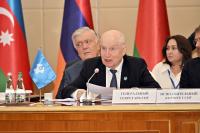
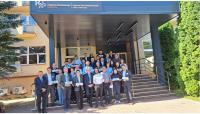
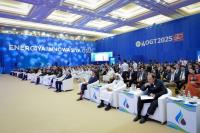
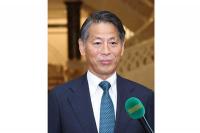
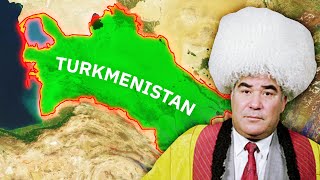
Last update: 8 hours agoTurkmen-Japan Business Push: President Serdar Berdimuhamedov met Japan’s State Minister of Economy, Trade and Industry Kenji Yamada, with talks focused on expanding trade and energy, industrial, transport and chemical cooperation, plus digitalization and circular economy. EU Customs & Trans-Caspian Logistics: Turkmenistan’s State Customs Service joined a Warsaw seminar on EU–Central Asia connectivity, discussing border standards, a “Single Window,” digital eTIR and risk management to smooth freight along the Trans-Caspian Transport Corridor. OGT 2026 Momentum: Ashgabat is building momentum for “Oil and Gas of Turkmenistan – OGT 2026” (21–23 Oct), with 400+ registered participants, 100+ first-timers and sold-out expo space, signaling wider international interest in gas and infrastructure projects. CIS Economic Council in Ashgabat: The 111th CIS Economic Council meeting approved programmes on transport security, digital transformation in agriculture and steps to reduce trade barriers across member states. Korea-Central Asia Summit Coming: South Korea’s Lee Jae-myung will host the first leader-level Korea–Central Asia Summit in Seoul on 16 Sept, aiming to link Central Asia’s energy and critical minerals with Korean technology for supply-chain and future-industry cooperation—Turkmenistan included. Textile Trade Outreach: “Turkmen Expo” is partnering Turkmenistan’s national pavilion at FAST TEXTILE 2026 in Poland (17–19 Nov), aiming to connect local producers with new buyers and business partners.
Note: AI summary from news headlines; neutral sources weighted more to help reduce bias in the result. Feedback is welcome. Please let us know if you have any comments or suggestions about the AGP Executive Report.

 Perspectify News